


|
The Science of Low-E Coatings
Collect
Specifications
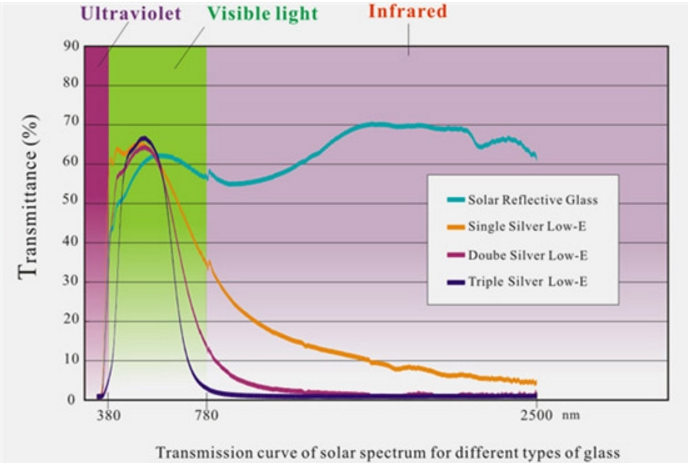
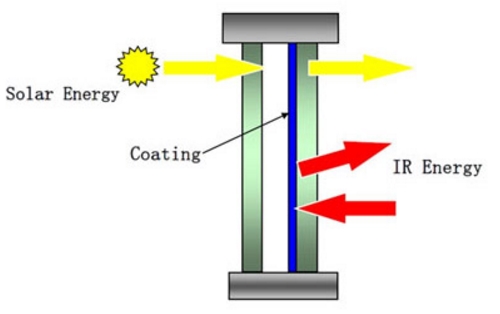
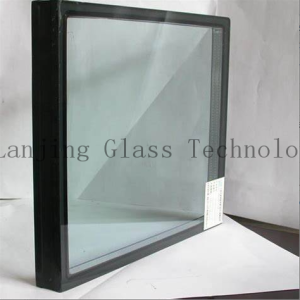
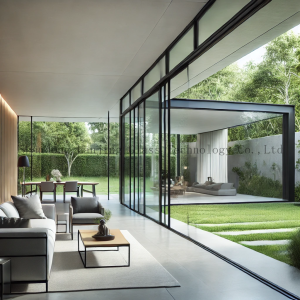
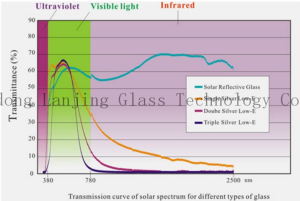
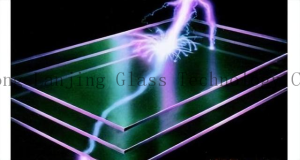
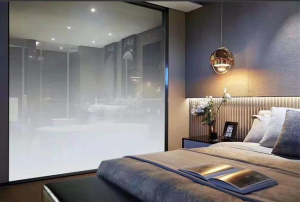
Low-e Coating Types & Manufacturing ProcessesThere are two different types of low-e coatings: passive low-e coatings and solar control low-e coatings. Passive low-e coatings are designed to maximize solar heat gain into a home or building to create the effect of “passive” heating and reduce reliance on artificial heating. Solar control low-e coatings are designed to limit the amount of solar heat that passes into a home or building for the purpose of keeping buildings cooler and reducing energy consumption related to air conditioning. The Coating StackThe redirecting attributes of low-e coatings are enabled due to their chemical structure. The low-e coating is comprised of microscopically thin chemical layers organized in a stack. Among these tiny components are microscopic layers of silver and dielectric (ceramic) materials, which contribute significantly to the performance properties of the coating. Low-e Coating VariationsBy manipulating the thickness and composition of materials in a low-e coating stack, glass engineers and formulators can control the visual and thermal properties of the glass. These modifications may drastically reduce heat and light passing through, or may amplify light while reducing heat. Advancements in Low-e GlassWithout increasing the thickness of the glass, manufacturers have been able to increase the quantity of active silver and dielectric layers present in low-e coatings. Thus, the glass is simultaneously reflective of heat energy in the form of ultraviolet and infrared light. Single-Silver CoatingsThe earliest low-e coatings were composed of one layer of silver and two dielectric (ceramic) layers in a five-component stack. The single layer of silver enabled the coating to block heat by reflecting infrared and ultraviolet light, while the dielectric layers in the basecoat and topcoat protected and “anti-reflected” the reflective properties of the silver layer, enabling visible light to pass through. Double-Silver CoatingsIn the early 1990s, glass manufacturers transformed low-e glass fabrication with the introduction of the first double-silver-coated glasses. These glasses feature two layers of silver and multiple micro-thin layers of active/proactive performance materials. Double silver coatings enabled this generation of low-e glasses to maintain the same levels of visible light transmittance as single silver low-e coatings while increasing their ability to block solar heat gain (infrared and ultraviolet light) by more than 30%. Triple-Silver CoatingsIn 2005, glass manufacturers introduced the modern, state-of-the-art low-e coatings, which feature three layers of silver and multiple layers of dielectric material in over 12 layer stacks as thin as 300 nanometers. Triple-silver low-e coated glasses can transmit nearly 70% of the sun’s available light into a building while blocking up to 75% of its infrared and ultraviolet energy. Quad-Silver CoatingsFinally, quad-silver coatings, which are state-of-the-art advancements introduced in 2016, can block nearly 80% of the sun’s radiant energy while transmitting more than 50 percent of available sunlight. Endless PossibilitiesDue to advances in low-e coatings technology, architects can specify large expanses of transparent glass to deliver the benefits of daylighting while enhancing a building’s energy and environmental performance.
|